

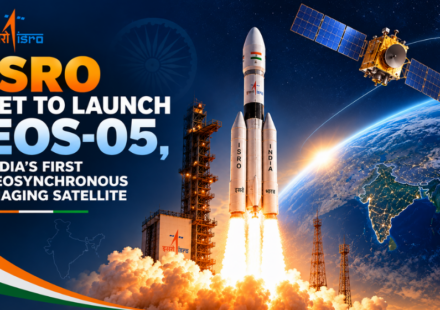
ISRO Successfully Launches EOS-05 Satellite on GSLV-F17 Mission
The Indian Space Research Organisation (ISRO) has successfully launched the EOS-05 satellite, also known as GISAT-1A, aboard the GSLV-F17 rocket. The launch took place at 2:55 AM IST on September 4 from the Second Launch Pad at the Satish Dhawan Space…

BepiColombo Begins Final Approach to Mercury With Major Spacecraft Separation
After eight years travelling through the inner Solar System, BepiColombo is entering the most important stage of its journey to Mercury. The joint European Space Agency (ESA) and Japan Aerospace Exploration Agency (JAXA) mission is scheduled to reach a…

China’s Largest Power Source Shifts as Solar Capacity Overtakes Coal
China has reached a historic energy milestone, with solar power overtaking coal to become China’s largest power source by installed power generation capacity. Data released by China’s National Energy Administration showed that installed solar…

Spanish-Led Team Confirms New Planet in the Habitable Zone 337 Light-Years Away
A Spanish-led international team of scientists has confirmed a two-planet system located around 337 light-years from Earth. One of the worlds is a new planet in the habitable zone, a region around its star where liquid water could potentially exist under…
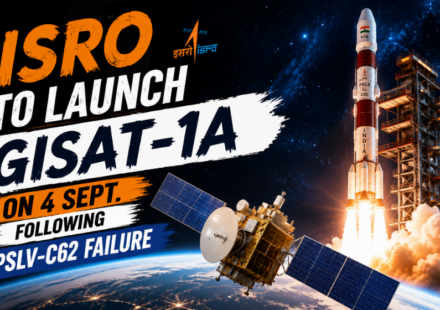
Gisat-1A Satellite Marks ISRO’s Major Return to the Launchpad
The Indian Space Research Organisation (ISRO) is preparing to return to launch operations with the planned launch of the Gisat-1A satellite, also known as EOS-05. The mission is expected to be ISRO’s first launch since the PSLV-C62 mission failure…

India National Space Day 2026 Highlights Space Station Plans and Growing Private Sector
India celebrated its third India National Space Day on August 23, 2026, marking the anniversary of Chandrayaan-3’s historic soft landing near the Moon’s south polar region. The celebrations in Ahmedabad highlighted both India’s…
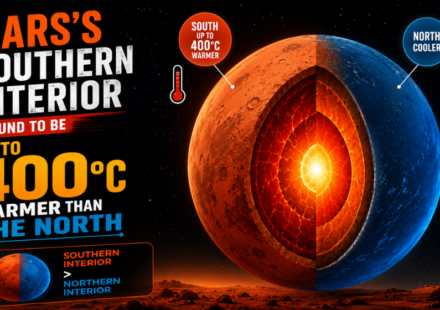
Mars Interior Temperature Discovery Reveals a Hotter Southern Hemisphere
A new study has revealed a major difference in Mars interior temperature, with the mantle beneath the planet’s southern highlands estimated to be around 200 to 400 degrees Celsius warmer than the northern half. The findings, published in Nature,…