
UK Explores Tougher Rules for Young Social Media Users
Table of Contents
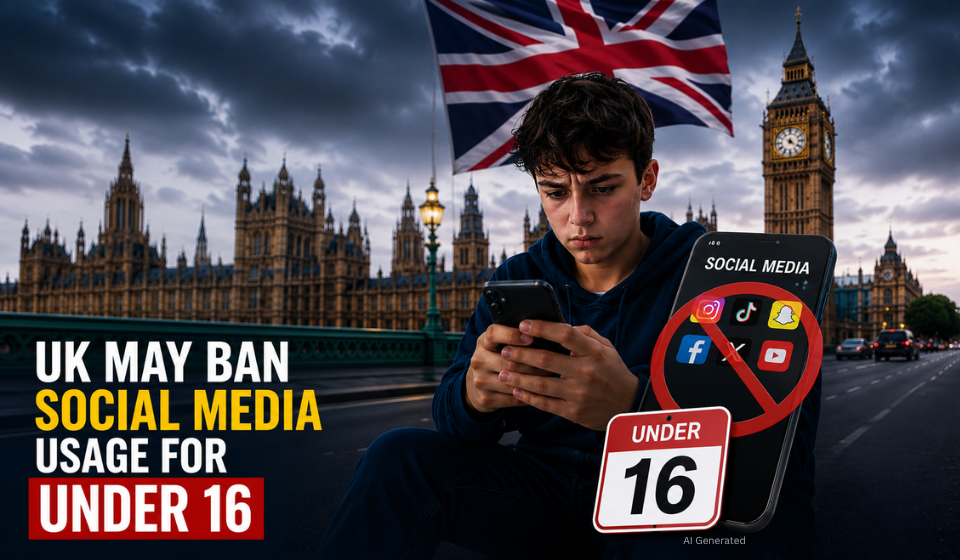
The UK government is reportedly evaluating a proposal that could prevent children under the age of 16 from accessing popular social media platforms. The move reflects increasing concerns about the influence of digital platforms on young people’s mental health, privacy, and overall wellbeing.
As children spend more time online than ever before, policymakers are facing growing pressure to strengthen protections against harmful content, cyberbullying, and addictive digital experiences. The proposed measures could place the UK among the countries taking the strongest stance on youth online safety.
Why Are New Restrictions Being Considered?
The discussion around tighter social media regulations stems from several key concerns that have emerged in recent years.
Major Factors Driving the Proposal
- Increased reports of anxiety, stress, and mental health challenges among teenagers
- Exposure to inappropriate or harmful online content
- Rising incidents of cyberbullying and online harassment
- Concerns over excessive screen time and digital dependency
- Growing calls from parents for stronger safeguards for children
Many experts believe that social media platforms should take greater responsibility for creating safer digital spaces for younger users.
Key Measures Under Discussion
While the proposal is still being evaluated, several possible measures have been highlighted.
| Proposed Action | Intended Outcome |
| Restrict social media access for under-16s | Reduce exposure to online risks |
| Strengthen age-verification systems | Improve compliance with age limits |
| Limit addictive platform features | Encourage healthier online habits |
| Increase child-focused safety settings | Enhance digital protection |
| Introduce usage controls | Reduce excessive screen time |
| Expand platform accountability | Improve user safety standards |
These initiatives are designed to create a more balanced and secure online environment for young users.
Potential Advantages of the Proposal
Supporters of the plan argue that stronger restrictions could offer several benefits.
Possible Positive Outcomes
- Better protection from harmful online interactions
- Reduced exposure to cyberbullying and toxic content
- Improved mental wellbeing among young people
- More time spent on offline activities and real-world social connections
- Greater pressure on technology companies to prioritize user safety
Advocates believe these changes could help establish healthier digital habits during critical developmental years.
Challenges That May Arise
Despite broad support from many parents and child-safety groups, some concerns remain.
Common Criticisms
- Age-verification tools may raise privacy concerns
- Determined users could find ways to bypass restrictions
- Social media can provide educational and social benefits
- Enforcement across international platforms may be difficult
- Some experts favor platform reforms over outright access restrictions
Finding the right balance between safety and digital access remains a complex challenge.
A Growing Global Movement
The UK’s proposal reflects a broader international trend. Governments around the world are increasingly reviewing how social media affects children and teenagers. Several countries have already introduced or are considering stricter regulations aimed at protecting young users from online harm.
This growing momentum signals a shift toward greater accountability for technology companies and stronger protections for younger audiences.
Final Thoughts
The UK’s consideration of social media restrictions for children under 16 marks a significant moment in the ongoing conversation about online safety. As digital platforms continue to play a major role in everyday life, governments are searching for effective ways to safeguard younger generations without limiting the positive opportunities the internet can provide.
Whether these measures become law or evolve into alternative forms of regulation, the debate highlights an important reality: creating a safer online experience for children has become a global priority. The outcome of the UK’s proposal could influence how other nations approach digital safety in the years ahead.