

Figma Introduces an AI Design Agent That Works Directly on Your Canvas
Table of Contents
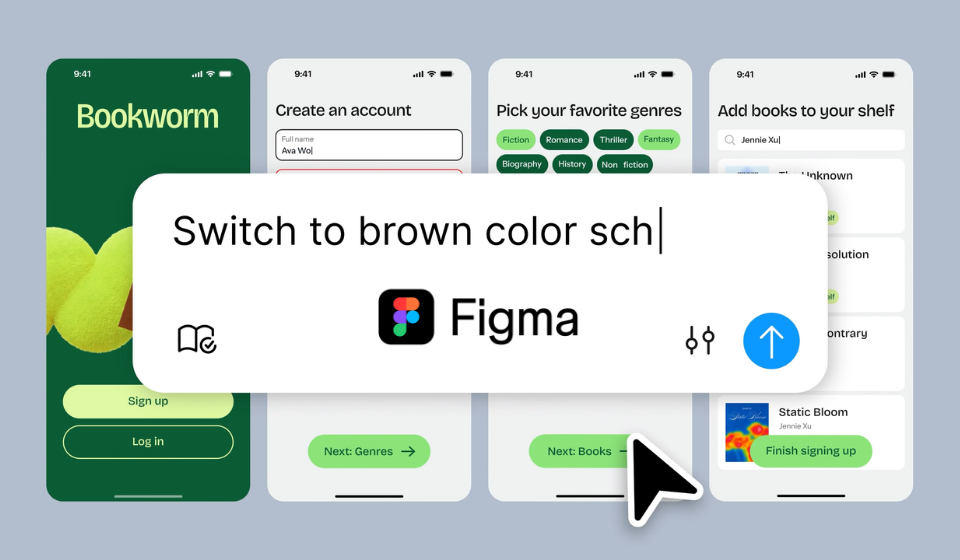
The future of design collaboration is becoming more interactive, and Figma is taking a major step forward with the launch of its new AI-powered design agent. Announced through the company’s latest update, the feature brings conversational AI directly into the design workspace, helping teams create, edit, and iterate faster without leaving the canvas.
The new AI agent is designed to act like a smart design assistant. Instead of manually searching for tools, layers, or layout options, users can now interact with AI using natural language prompts. Whether it’s generating UI layouts, adjusting spacing, creating components, or organizing design systems, the AI can perform tasks directly inside the project.
For designers, developers, and product teams, this could significantly reduce repetitive work and improve creative flow.
What Makes Figma’s AI Agent Different?
Unlike standalone AI tools, Figma’s AI agent works directly inside the design environment. This means users don’t need to switch tabs or rely on external platforms to generate ideas or make changes.
Key Highlights
- AI assistance integrated into the design canvas
- Natural language commands for faster workflow
- Automated layout and component suggestions
- Improved collaboration for teams
- Faster prototyping and iteration cycles
Feature Breakdown
| Feature | Benefit |
| AI Canvas Assistant | Helps automate design tasks |
| Natural Language Prompts | Easier interaction for non-technical users |
| Smart Component Suggestions | Speeds up UI consistency |
| Workflow Automation | Reduces repetitive manual work |
| Real-Time Collaboration | Enhances teamwork and productivity |
Why This Matters for Designers
AI tools are rapidly becoming part of everyday creative workflows, but many designers worry about losing creative control. Figma appears to be positioning its AI agent as a collaborative partner rather than a replacement.
The goal is to help users focus more on creativity and problem-solving while the AI handles repetitive production tasks. This approach could be especially useful for startups, product teams, and agencies managing tight deadlines.
Potential Benefits
- Faster wireframing
- Simplified design system management
- Improved productivity for remote teams
- Better accessibility for beginner designers
Final Thoughts
Figma’s AI design agent signals a major shift in how digital products may be created in the future. By embedding AI directly into the design canvas, the company is making design workflows more conversational, collaborative, and efficient.
While it’s still early days for AI-assisted design, this launch shows how creative tools are evolving beyond static software into intelligent workspaces that actively support the user experience.