


Table of Contents
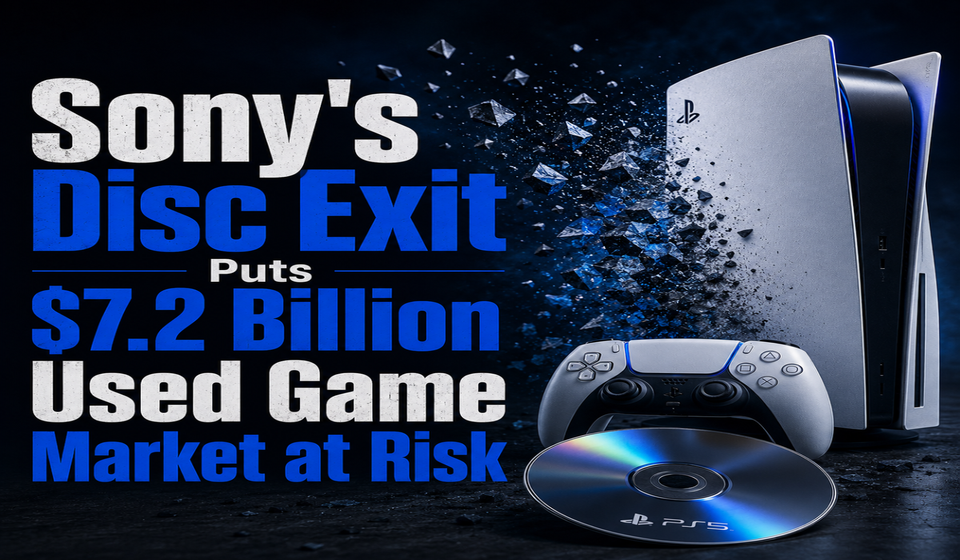
Sony’s decision to end the production of new physical PlayStation game discs starting in 2028 is expected to have far-reaching implications for the video game industry. While digital game downloads have become increasingly popular, the move has raised questions about the future of physical game ownership and the global second-hand games market.
Industry observers believe the transition could affect a used game market estimated to be worth around $7.2 billion, where players regularly buy, sell, and trade physical copies. Although Sony says the decision reflects changing consumer preferences, many gamers and retailers remain concerned about the long-term impact of an all-digital future.
Key Highlights
- Sony plans to stop producing new physical PlayStation game discs beginning in 2028.
- The move reflects the industry’s continued shift toward digital game distribution.
- The global second-hand games market could be significantly affected.
- Players may have fewer opportunities to resell, trade, or collect physical games.
- The announcement has generated widespread discussion about digital ownership and game preservation.
Physical vs. Digital Gaming
| Physical Games | Digital Games |
| Can be resold or traded | Tied to a user’s digital account |
| Popular among collectors | Instant downloads and updates |
| Support the used games market | No resale or trade-in options |
| Tangible ownership | Access depends on platform accounts and digital storefronts |
Why the Used Games Market Matters
For many players, buying pre-owned games is an affordable way to enjoy new titles. Physical copies also allow users to trade games after completing them or build personal collections over time.
Retailers have long relied on second-hand game sales as an important part of their business. A continued move toward digital-only distribution could reduce those opportunities while changing how players access and own games.
What This Means for Gamers
The transition toward digital distribution offers several benefits, including faster downloads and immediate access to purchases. However, it also changes the traditional ownership model associated with physical media.
Without physical discs, players may lose the flexibility to lend, trade, or resell games. Preservation groups have also highlighted the importance of physical copies in maintaining long-term access to video games, especially if titles are later removed from online stores.
Key Takeaways
- Sony plans to discontinue new PlayStation game disc production beginning in 2028.
- The decision reflects the industry’s broader move toward digital distribution.
- The estimated $7.2 billion used game market could face significant changes.
- Digital purchases offer convenience but do not provide the resale opportunities associated with physical media.
- The announcement has renewed discussions about digital ownership, consumer choice, and game preservation.
Final Thoughts
Sony’s decision marks another major step in the gaming industry’s transition toward digital distribution. While many players have already embraced downloadable games, physical copies continue to play an important role for collectors, retailers, and consumers who value the ability to trade or resell their purchases. As the industry evolves, the balance between digital convenience and traditional ownership will remain an important topic for gamers and publishers alike.