


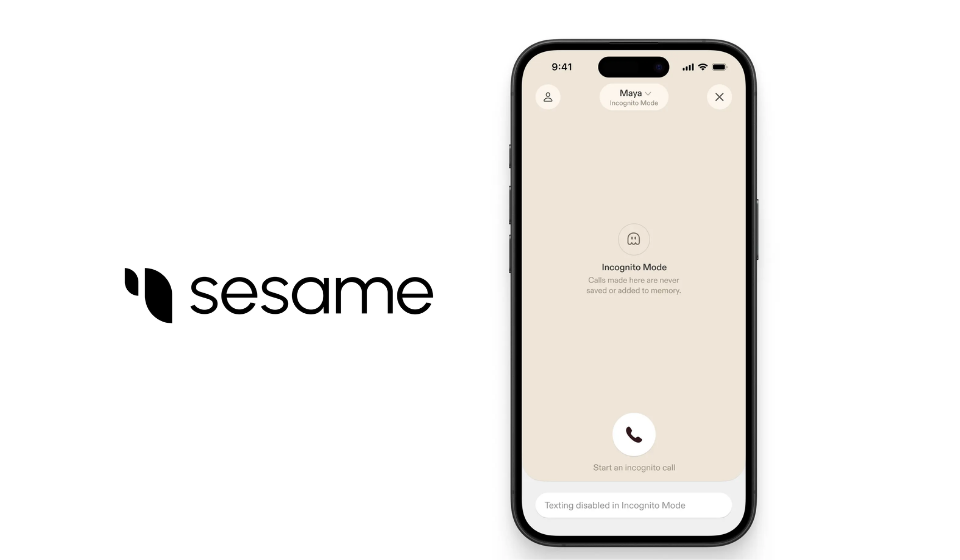
Sesame AI has introduced its new iOS application, now available in 39 countries, bringing a next-generation voice assistant experience to mobile users. This global rollout highlights the company’s push toward making conversational AI more natural, accessible, and deeply integrated into everyday smartphone usage.
According to the official announcement on Sesame AI Blog, the app is built around a “voice-first” approach, allowing users to interact with AI just by speaking—removing the need for typing or structured prompts.
A New Era of Voice-First AI Interaction
The Sesame AI iOS app focuses on transforming how people engage with artificial intelligence. Instead of traditional chat-based interfaces, users can have fluid conversations that feel more like talking to a real assistant.
The system is designed to understand natural speech, context, and intent, making interactions smoother and more intuitive.
Key improvements introduced:
- Natural voice-based conversations instead of text input
- Expanded availability across 39 countries at launch
- Seamless iOS optimization for Apple users
- Context-aware responses that adapt to ongoing dialogue
- Built for curiosity-driven, open-ended queries
Core Features Overview
| Feature | Description |
| Voice-First Design | Enables hands-free AI conversations |
| Global Availability | Rolled out in 39 countries simultaneously |
| iOS Optimization | Smooth performance within Apple ecosystem |
| Context Memory | Maintains conversation flow intelligently |
| Interactive AI Mode | Encourages exploration through voice queries |
Why This Launch Is Important
The launch of a voice-based AI app signals a major shift in how users interact with technology. Rather than relying on typing or visual interfaces, voice is becoming a primary method of communication.
Sesame AI is positioning itself within this transformation by focusing on natural conversation flow and real-time responsiveness. This approach makes AI feel less like a tool and more like a digital companion.
As smartphones continue to evolve, voice-first systems may become the default interface for productivity, learning, and daily assistance.
Final Thoughts
With its expansion into 39 countries, Sesame AI is clearly betting on voice as the future of human-computer interaction. The move reflects a broader industry trend where AI is becoming more conversational, intuitive, and deeply embedded in mobile ecosystems.
If adoption continues to grow, voice-first applications like this could redefine how users search, learn, and interact with digital services in the near future.