


Table of Contents
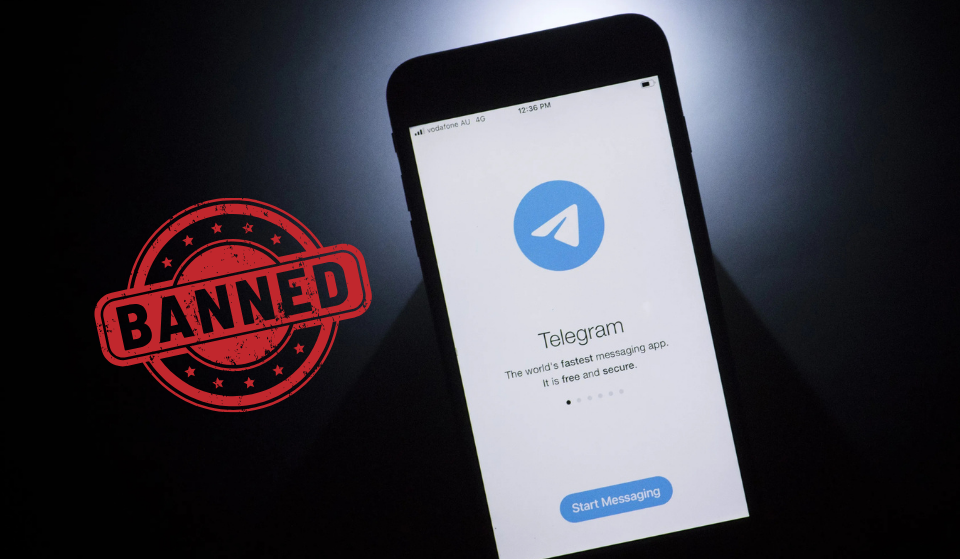
India has temporarily restricted access to Telegram following concerns that the messaging platform was being used by organized groups involved in exam-related fraud ahead of the NEET (National Eligibility cum Entrance Test) 2026 re-examination. The move comes after the original medical entrance examination was canceled due to allegations of paper leaks and irregularities.
According to reports, the restriction will remain in place until shortly after the NEET re-test, which is scheduled for June 21, 2026. Authorities stated that the decision was intended to prevent the circulation of leaked exam materials, fake question papers, and misinformation targeting students.
The decision has sparked widespread debate, with supporters arguing that it helps protect exam integrity, while critics claim it impacts millions of legitimate users without directly addressing the root cause of exam leaks.
Why Was Telegram Restricted?
Officials believe Telegram was being used by certain groups to distribute leaked content and conduct scams related to the highly competitive medical entrance examination. The National Testing Agency (NTA) requested action to reduce the spread of fraudulent materials before the re-exam.
Key Reasons Behind the Restriction
- Prevent circulation of leaked exam papers
- Reduce exam-related misinformation
- Protect students from fraud schemes
- Maintain fairness during the NEET re-test
- Improve examination security measures
Overview of the Situation
| Factor | Details |
| Platform Affected | Telegram |
| Reason | Exam fraud and paper leak concerns |
| Examination | NEET UG 2026 Re-Test |
| Restriction Period | Temporary |
| Objective | Protect exam integrity |
| Authority Involved | National Testing Agency (NTA) |
Impact on Users
India is one of Telegram’s largest markets, with millions of active users relying on the platform for communication, education, business, and community engagement. The temporary restriction has therefore affected a broad user base beyond those connected to exam-related activities.
Potential User Impact
- Interrupted communication channels
- Reduced access to educational groups
- Business messaging disruptions
- Delayed content sharing
- Limited access to community networks
Arguments Supporting the Decision
Supporters of the restriction believe extraordinary measures are necessary when national examinations involving millions of students are affected.
Supporters Say the Move Can:
- Deter organized cheating networks
- Reduce the spread of fake exam content
- Improve confidence in exam processes
- Protect honest candidates
- Enhance examination security
Criticism and Concerns
The decision has also faced criticism from digital rights advocates and technology experts who argue that platform-wide restrictions may not solve the underlying issue.
Main Concerns Raised
- Millions of legitimate users are affected
- Fraudsters may simply switch platforms
- Root causes of paper leaks remain unresolved
- Temporary bans may offer only short-term solutions
- Broader questions about digital access and regulation
Telegram founder Pavel Durov criticized the restriction, arguing that it impacts ordinary users while individuals responsible for leaks can move to alternative communication channels.
Key Highlights
Important Takeaways
- India temporarily restricted Telegram before the NEET 2026 re-examination.
- Authorities cited concerns over exam fraud and leaked materials.
- The move aims to protect exam integrity and student interests.
- Critics argue the measure affects millions of innocent users.
- The decision has reignited discussions around platform accountability and digital regulation.
Government Action vs User Concerns
| Government Objective | User Concern |
| Prevent exam fraud | Communication disruption |
| Protect candidates | Impact on legitimate users |
| Stop misinformation | Limited digital access |
| Improve exam security | Alternative platforms remain available |
Final Thoughts
India’s temporary restriction on Telegram highlights the growing challenge of balancing digital platform regulation with public access to communication services. While authorities view the measure as a necessary step to protect the integrity of a major national examination, critics question whether restricting an entire platform is the most effective way to address exam fraud.
As governments worldwide continue to grapple with online misuse and misinformation, the Telegram case serves as another example of the complex relationship between technology platforms, public policy, and user rights. The coming weeks will likely determine whether the temporary measure achieves its intended goal of safeguarding the NEET re-examination process.