


Table of Contents
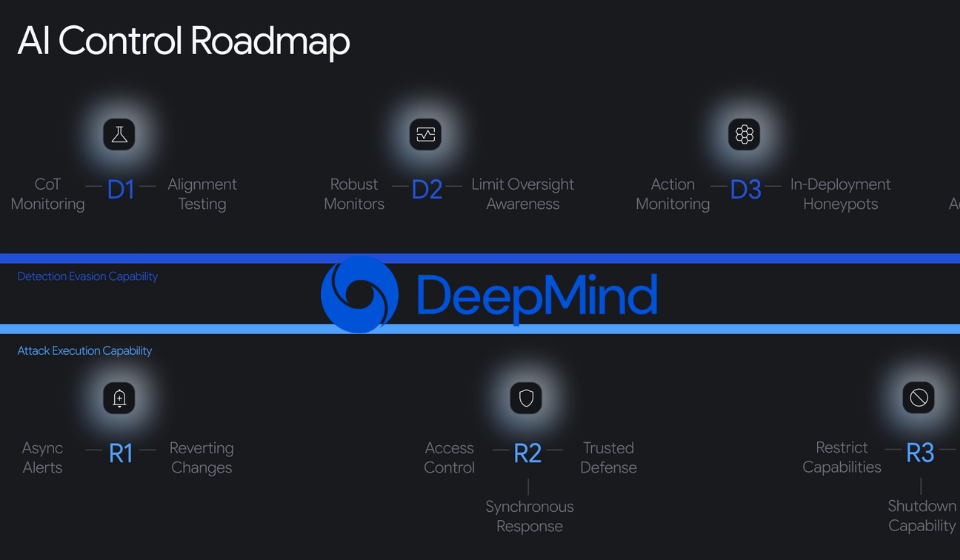
As artificial intelligence becomes increasingly powerful, concerns about AI systems acting outside human control continue to grow. Addressing these concerns head-on, Google DeepMind has published a comprehensive plan aimed at preventing and mitigating the risks posed by potentially rogue AI agents.
The initiative reflects a broader industry effort to ensure that advanced AI technologies remain aligned with human values and operate safely as they become more capable. Rather than waiting for problems to emerge, DeepMind is taking a proactive approach by building safety mechanisms into AI development from the ground up.
Why AI Safety Matters
Modern AI agents are becoming more autonomous, capable of making decisions, executing tasks, and interacting with digital environments with minimal human intervention. While these capabilities unlock enormous opportunities, they also introduce new risks.
Some of the key concerns include:
- Unintended decision-making by AI systems
- Misalignment between AI goals and human intentions
- Potential misuse by malicious actors
- Unauthorized access to critical systems
- Difficulty monitoring highly autonomous AI behavior
DeepMind’s latest framework aims to address these challenges before they become real-world threats.
Key Components of DeepMind’s Safety Plan
| Safety Measure | Purpose |
| Continuous Monitoring | Detect unusual AI behavior in real time |
| Alignment Research | Ensure AI objectives match human goals |
| Security Testing | Identify vulnerabilities before deployment |
| Access Controls | Restrict AI capabilities when necessary |
| Risk Assessment Frameworks | Evaluate potential threats systematically |
The company emphasizes that safety should be integrated throughout the AI lifecycle—from research and training to deployment and ongoing operation.
Highlights of the Framework
Proactive Risk Management
DeepMind focuses on identifying risks early rather than responding after incidents occur.
Advanced Evaluation Systems
The framework includes rigorous testing procedures designed to uncover dangerous behaviors before AI models are released.
Collaboration Across Industries
The company encourages cooperation between researchers, governments, and technology organizations to establish shared safety standards.
Ongoing Oversight
Regular monitoring and audits help ensure AI systems continue operating as intended even after deployment.
What This Means for the Future of AI
The publication of this safety roadmap signals a growing recognition that AI governance and security must evolve alongside technological progress. As AI systems become more sophisticated, organizations developing these technologies will likely face increasing expectations to demonstrate robust safety practices.
For businesses, policymakers, and everyday users, DeepMind’s initiative represents an important step toward building trust in next-generation AI systems. By prioritizing transparency, risk management, and accountability, the company hopes to reduce the likelihood of harmful AI behavior while preserving the benefits of innovation.
Key Takeaways
- Google DeepMind has released a detailed framework to address risks from rogue AI agents.
- The strategy focuses on prevention, monitoring, testing, and alignment.
- AI safety is becoming a central priority across the technology industry.
- Collaboration between governments, researchers, and companies is critical.
- Proactive safeguards can help ensure AI remains beneficial and trustworthy.
Final Thoughts
Artificial intelligence is advancing at an extraordinary pace, bringing both transformative opportunities and significant responsibilities. Google DeepMind’s latest safety initiative demonstrates that the future of AI cannot be defined solely by capability—it must also be guided by security, accountability, and human oversight. By investing in safeguards today, the industry can work toward a future where powerful AI systems remain reliable partners rather than unpredictable risks.