


Table of Contents
Introduction
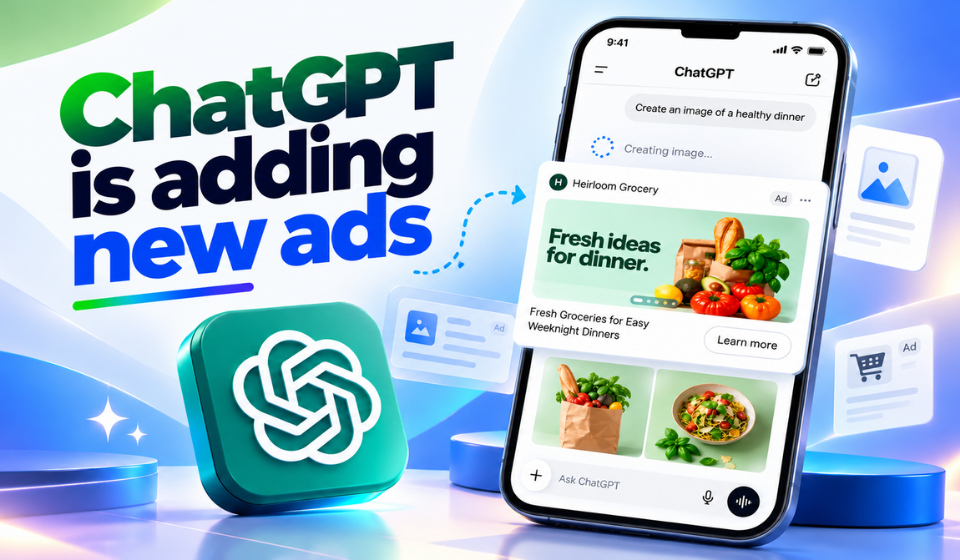
OpenAI is pushing further into advertising with a new test: sponsored visuals that appear on screen while ChatGPT creates an image for a user. The trial is scheduled to begin later this month and will be limited to people in the United States. The company has not shared any plans for other countries yet.
Until now, promotions in the chatbot were text-based and sat beneath certain replies. The latest experiment gives brands a more graphical way to reach people, and it shows how seriously OpenAI is treating ChatGPT ads as a long-term business line. According to the company, every placement will be labeled as sponsored and kept apart from whatever the user asked the system to make.
How the New ChatGPT Ads Work
The mechanism is simple. When someone types a prompt asking for a picture, the model needs a short time to produce it. During that pause, a sponsored visual may appear on screen. OpenAI describes the idea as a way for people to stumble upon new brands through imagery that shows products in use, imagined scenarios, or everyday settings.
Advertisers benefit because a picture can explain a product faster than a paragraph. Someone selling furniture, sneakers, or kitchen gadgets can show the item directly rather than describe it.
OpenAI has set several ground rules for the experiment:
- Every ad carries a visible sponsorship label.
- Ad visuals stay separate from the image the user requested.
- Paying advertisers cannot shape what ChatGPT produces.
- The test covers image generation only.
- Participation is restricted to US users at first.
These limits matter. People use ChatGPT to learn, write, plan purchases, and create art, so they need confidence that money has not tilted the output they receive.
Comparing the Old and New Formats
OpenAI has already experimented with sponsored suggestions in ChatGPT. Those earlier promotions appeared below a text response and matched the subject of the conversation. If you asked for a recipe, for example, you might have seen a link for a grocery delivery service.
The new approach works differently. Instead of waiting until an answer is finished, it uses the idle moments while an image renders. The comparison below shows the main differences.
| Format | Where it shows up | Goal | Status |
| Earlier sponsored links | Under text replies | Topic-based discovery | Tested previously |
| Visual ads | While an image loads | Product discovery through visuals | Trial planned this month |
| Generated image | Main display area | The user’s own request | Kept apart from ads |
The change is meaningful because commercial content now meets people in the middle of a creative task, not after a question has been answered.
Why OpenAI Is Expanding Its Ad Efforts
Running a large AI service is expensive, and advertising offers a steady source of income that does not rely solely on subscriptions. OpenAI says early results from its first round of ChatGPT ads pointed to lower customer acquisition costs and better conversion rates for the brands that took part.
For marketers, that is an appealing signal. They get to place a message in front of someone who is actively engaged with a tool, at a moment when attention is already on the screen.
Users, though, will judge the experiment differently. Their satisfaction depends on whether ads feel clearly separate from genuine answers. If a sponsored image looks like part of the result, trust could suffer quickly. If it stays obviously labeled and unobtrusive, many people may simply treat it as the price of a free product.
Timing matters too. A short ad during a few seconds of loading is one thing; something that delays results or crowds the interface would be another.
Frequently Asked Questions
What are the new ChatGPT ads?
They are sponsored visuals that OpenAI plans to test while the chatbot generates images. The goal is to help people find relevant products through engaging pictures.
Where do they appear?
On screen during the image creation process. OpenAI says they will stay separate from the finished picture.
Will ads change ChatGPT’s answers?
No, according to OpenAI. The company states that advertisers have no influence over responses, and all sponsored content will be labeled.
When does the test start?
Later this month, in the United States only. No wider rollout date has been announced.
Has OpenAI tried ads before?
Yes. It earlier tested sponsored links beneath text replies, matched to the topic being discussed.
Conclusion
By moving promotions into the image generation experience, OpenAI is stretching ChatGPT ads well beyond their first appearance under written answers. The company is betting that visual placements can serve brands without compromising the quality or neutrality of what the AI produces.
The trial will show how users react: as a useful discovery tool, a distraction, or a tolerable trade for free access. Its results could influence how sponsored content reaches other ChatGPT features and other markets down the line.