


Table of Contents
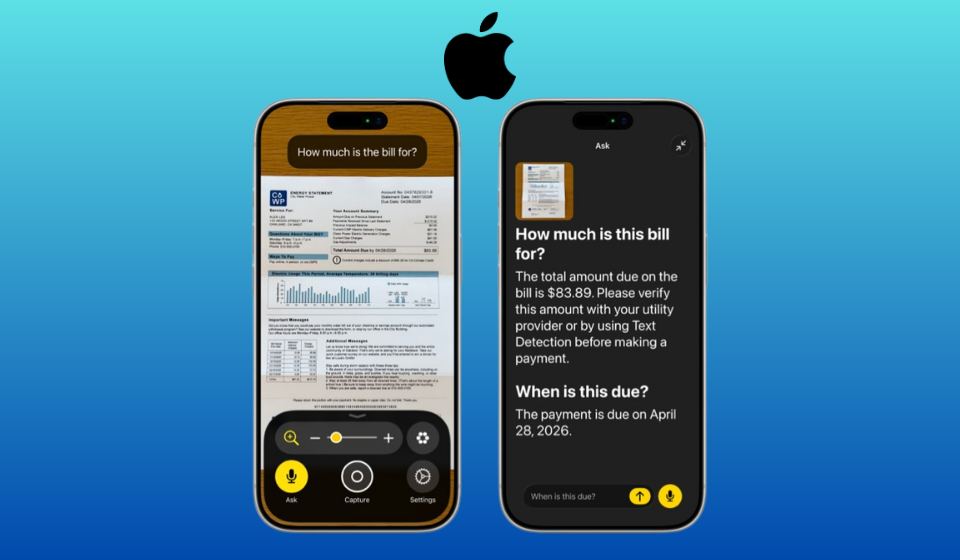
Apple AI Accessibility Features are taking a major leap forward as Apple introduces new AI-powered assistive technologies, including eye-controlled wheelchair functionality. The latest accessibility updates are designed to help users with disabilities interact more independently with devices and mobility tools using artificial intelligence and advanced tracking systems.
One of the most notable innovations is the integration of eye-tracking technology that allows users to control compatible wheelchairs through eye movements. This functionality could significantly improve mobility and digital interaction for individuals with physical impairments or limited motor control.
Key Features of Apple AI Accessibility Features
- AI-powered eye-tracking for wheelchair control
- Enhanced voice and gesture-based accessibility tools
- Smarter on-device assistive AI experiences
- Improved device interaction for users with disabilities
- Expanded accessibility support across Apple ecosystem devices
Why Apple AI Accessibility Features Matter
Accessibility technology is becoming increasingly important as companies work to make digital experiences more inclusive. Traditional assistive systems often rely on external hardware or limited customization, while AI-powered solutions can adapt dynamically to user behavior and individual needs.
Apple’s new accessibility features demonstrate how artificial intelligence can move beyond productivity and entertainment to provide meaningful real-world assistance. Eye-controlled wheelchair functionality, in particular, could offer greater independence for users who face mobility challenges.
The company’s focus on accessibility also reinforces the growing role of inclusive design in consumer technology development.
Comparison: Traditional Accessibility Tools vs Apple AI Accessibility Features
| Feature | Traditional Accessibility Tools | Apple AI Accessibility Features |
| Control Methods | Manual or switch-based | AI-powered eye tracking |
| Personalization | Limited | Adaptive AI assistance |
| Mobility Support | Basic assistive technology | Smart wheelchair integration |
| Device Interaction | Standard accessibility options | Advanced AI-driven controls |
| Ecosystem Connectivity | Separate systems | Integrated Apple ecosystem |
Potential Industry Impact
The launch of Apple AI Accessibility Features could influence how technology companies approach accessibility innovation in the future. AI-powered assistive systems may become more common in smartphones, wearables, mobility devices, and smart home products.
This development may also accelerate research into AI-driven healthcare and assistive technologies designed to improve independence and quality of life for disabled users.
Final Thoughts
The Apple AI Accessibility Features initiative highlights how AI can create more inclusive and empowering technology experiences. By combining advanced accessibility tools with eye-controlled wheelchair functionality, Apple is helping push assistive technology into a smarter and more user-focused future.